
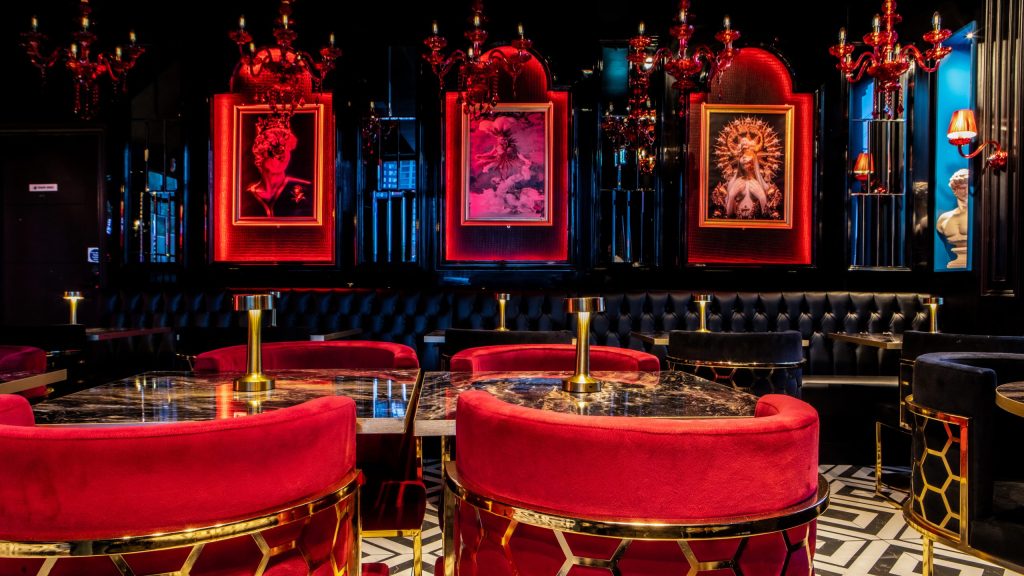
Complete Licensing has secured a new, time-limited premises licence for EADN St Paul’s, a restaurant, entertainment and late-night venue in the heart of the City of London.
The new licence provides the licensing framework needed to operate a combined restaurant and late-night entertainment offer, including the sale of alcohol until 4:00am from Thursday to Sunday.
At a glance: the outcome
Premises: EADN St Paul’s, 2–3 Old Change Court, London EC4M 8EN
Type of work: premises licence application (City of London)
Key result: later hours secured, including alcohol sales until 4:00am on selected nights
- Licence status: granted as a time-limited premises licence for one year
About EADN St Paul’s
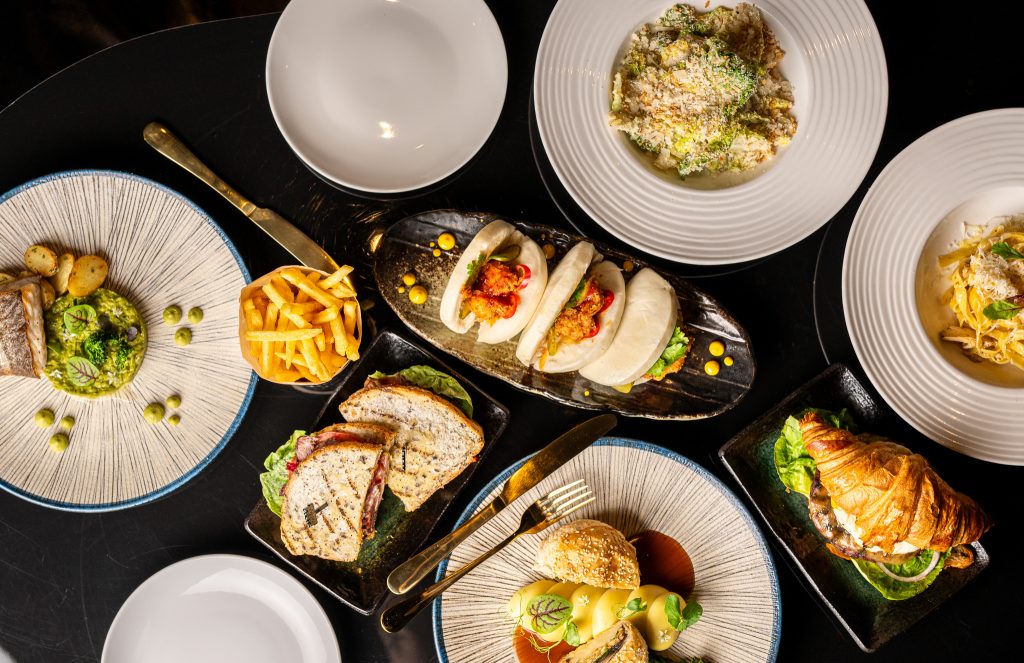
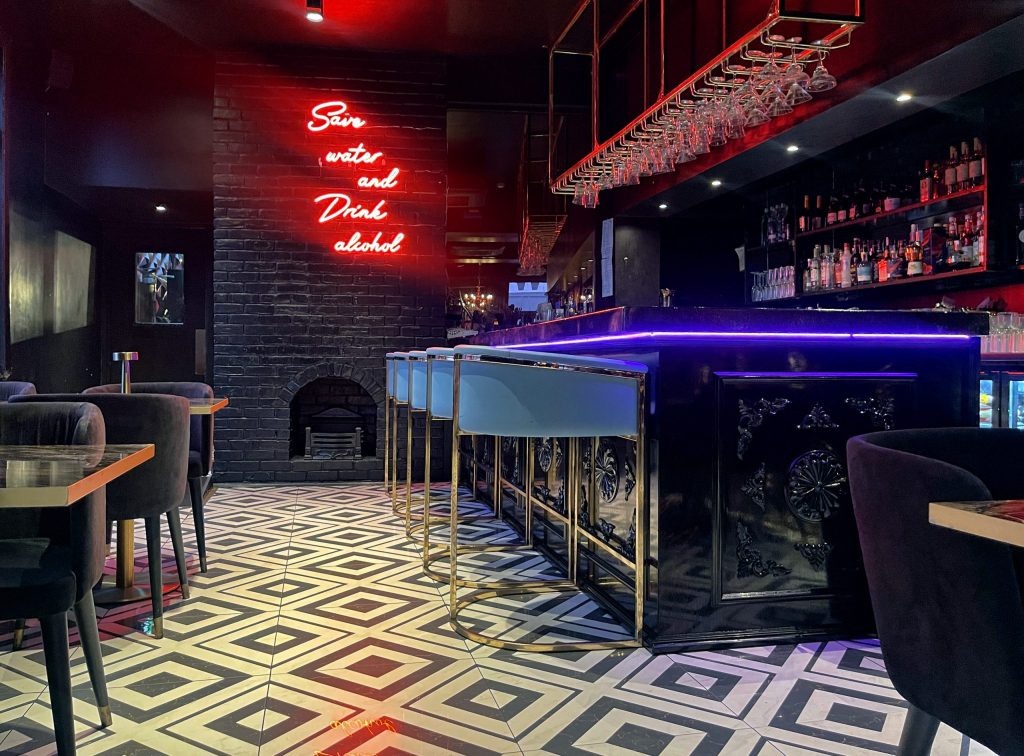
EADN St Paul’s is located at 2–3 Old Change Court, London EC4M 8EN, close to St Paul’s Cathedral. The venue operates across distinct phases of trade:
early evening dining and cocktails in a restaurant setting;
live music and hosted entertainment;
a later “After Dark” lounge and club-style environment with DJs, table service and late-night hospitality.
This style of operation needs an accurately drafted operating schedule and carefully considered conditions—so the premises licence application reflects what happens in practice at different times of night.
The new premises licence (licensable activities and hours)
The new licence authorises the sale of alcohol:
Monday to Wednesday: until 2:00am
Thursday to Sunday: until 4:00am
The licence was granted as a time-limited premises licence for one year, giving the premises the opportunity to demonstrate that the later hours can be operated responsibly and consistently in line with the licensing objectives.
What a late-night premises licence application involves (City of London)
A late-night licensing application in the City of London typically requires more than submitting a form. A well-prepared Licensing Act 2003 application should anticipate scrutiny and address the four licensing objectives:
the prevention of crime and disorder;
public safety;
the prevention of public nuisance; and
the protection of children from harm.
In practical terms, a robust premises licence application will often include clear, workable proposals on:
CCTV coverage, retention, access and incident capture;
SIA door supervision, searching and entry management;
capacity controls, queue management and venue layout;
dispersal procedures for customers leaving late at night;
noise and nuisance controls (music management, doors, smokers and outside areas); and
staff training and documented operational policies.
Managing consultation and negotiations with responsible authorities
Premises licence applications that include late hours, alcohol sales and entertainment can attract close attention from responsible authorities. Complete Licensing worked with the premises team to support the application strategy, consultations, and discussions on operating measures and conditions.
Where questions arose about how the venue would operate across restaurant hours, live entertainment and the later club-and-lounge period, we helped ensure the application materials and proposed conditions clearly reflected the operational reality of the premises.
Why proportionate licence conditions matter
Conditions are a critical part of any premises licence application. They must be strong enough to promote the licensing objectives, while also being:
appropriate and proportionate;
clearly drafted and unambiguous;
practical for managers and staff to follow; and
relevant to how the premises actually operates.
Overly restrictive or poorly drafted conditions can create long-term operational difficulties, so the goal is to agree conditions that protect the public and support compliant trading without undermining the business model.

Ongoing support: compliance after the licence is granted
Securing a licence is only part of the process. Premises operating later hours need consistent compliance—particularly during a time-limited period—so they can demonstrate responsible management and effective control measures.
Complete Licensing continues to support the premises through ongoing advice and compliance assistance, including:
licence-condition compliance and documentation;
incident reporting and evidence preservation;
liaison with responsible authorities and regulatory queries;
operational policies and staff guidance; and
CCTV and incident-response procedures.

FAQ: premises licence applications for late-night venues
What is a premises licence application?
A premises licence application is the process of applying for permission to carry out licensable activities at specific premises under the Licensing Act 2003, such as the sale of alcohol, regulated entertainment and late-night refreshment.
How long does a premises licence application take?
Timescales vary depending on the complexity of the premises, the style of operation, and whether any representations are made during the consultation period. Late-night and entertainment-led applications typically require more preparation and engagement.
What makes a City of London premises licence application different?
The City of London is a distinct licensing area with its own policy considerations and responsible-authority expectations. Late hours and venue operations are often scrutinised closely, particularly around crime prevention, nuisance and dispersal.
What is a time-limited premises licence?
A time-limited premises licence is granted for a defined period rather than indefinitely. It is sometimes used where later hours or a specific operation will be assessed over time, with the premises expected to demonstrate effective and responsible management.
What conditions are common for late-night premises licences?
Common conditions relate to CCTV, incident logs, SIA staffing, search policies, capacity management, noise controls, and dispersal arrangements. The right conditions depend on the premises layout, location and operating style.
Need help with a premises licence application?
Complete Licensing advises restaurants, bars, nightclubs, hotels and event venues across England and Wales on:
new premises licence applications;
full and minor variations;
applications for later hours;
temporary event notices;
licence reviews, hearings and appeals; and
premises-licence compliance and authority engagement.