Complete Licensing Success: Duos Lounge Licence Retained
Operating a successful hospitality venue in London is a delicate balancing act. On one hand, you want to create a vibrant, lively atmosphere that keeps patrons returning. On the other hand, you must maintain a harmonious relationship with local residents and regulatory authorities. When this balance tips, the consequences can be severe.
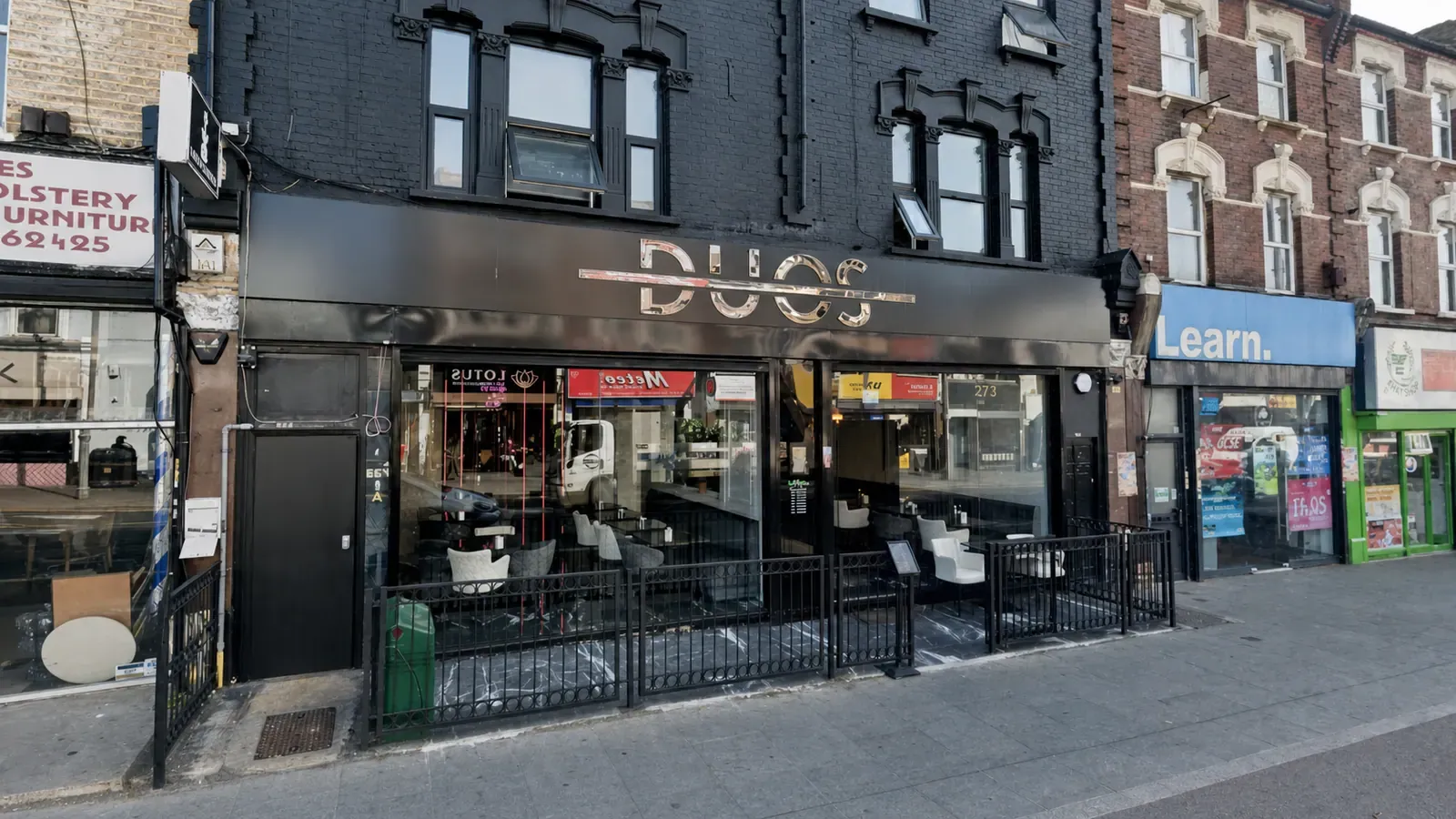
If you are a venue owner wondering about the real-world application of licensing laws, this article breaks down a prime example. Here, we present a detailed Complete Licensing case study: resolving a premises licence review for noise nuisance at Duos Lounge (Lea Bridge Road, Waltham Forest). This comprehensive guide will walk you through the challenges faced by the venue, the strategic interventions implemented, and the actionable takeaways you can apply to your own hospitality business to ensure long-term success and compliance.
The Challenge: A Looming Threat to the Business
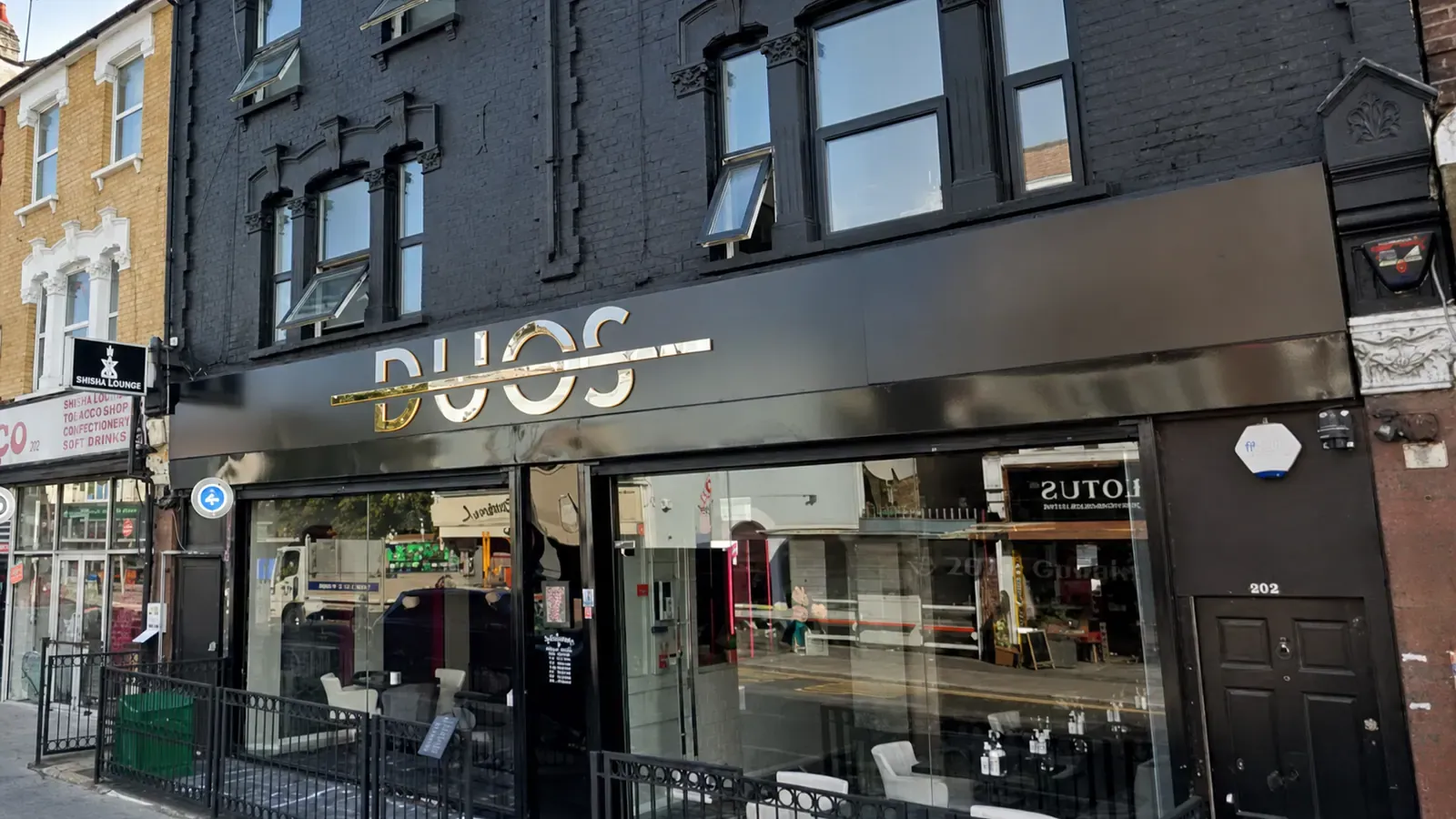
Duos Lounge, situated on the busy Lea Bridge Road, had established itself as a popular local destination. Operating with a multifaceted business model, the venue relied heavily on its cocktail bar licence and shisha lounge licence to generate revenue. However, its success brought an unintended consequence: escalating noise nuisance complaints from nearby residential properties.
Initially, the complaints seemed manageable, but the situation quickly escalated. The local environmental health department stepped in following repeated calls from neighbours regarding late-night music and patron noise.
Despite initial attempts by the venue’s management to turn the music down, the complaints persisted. This resulted in the local authority triggering a formal premises licence review.
For any operator, wondering what happens if a premises licence is reviewed is a source of immense stress. In worst-case scenarios, a review can lead to severely restricted operating hours, the removal of the Designated Premises Supervisor (DPS), or the complete revocation of the licence. The future of Duos Lounge was hanging by a thread.
Understanding the Legal Landscape
To grasp the severity of the situation, it is vital to understand the regulatory framework. In the UK, the Licensing Act 2003 revolves around four core licensing objectives, one of which is public nuisance prevention under the Licensing Act. Noise pollution is heavily scrutinised under this objective.
When a venue faces enforcement action, operators must quickly understand the difference between a summary review vs standard premises licence review. A summary review (often called an expedited review) is typically reserved for venues associated with serious crime or disorder, resulting in interim steps being taken within 48 hours. In the case of Duos Lounge, it was a standard premises licence review, giving the operators 28 days to prepare a defence and gather evidence before the hearing.
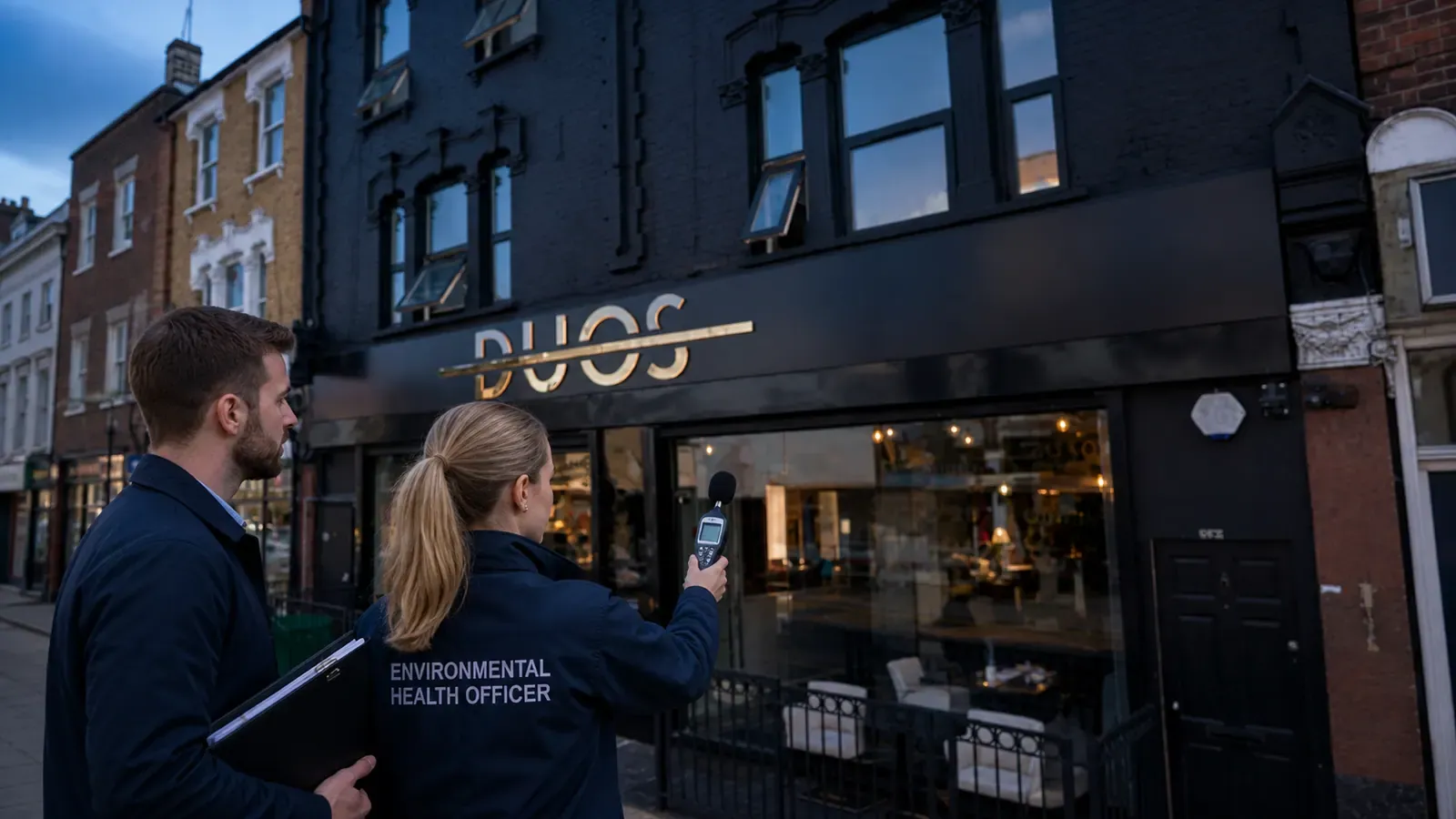
To build a robust defence against the local authority’s claims, the venue needed to understand the specific environmental health officer noise assessment criteria. Environmental Health Officers (EHOs) do not just rely on human hearing; they use calibrated sound level meters to measure decibel levels (dB) escaping from the venue, looking for statutory nuisances that unreasonably interfere with the use or enjoyment of neighbouring homes.
Realising that well-intentioned but amateur attempts to fix the problem were failing, the owners of Duos Lounge engaged Complete Licensing. As an experienced licensed premises consultant, we knew that a proactive, evidence-based approach was required to save the venue.
The Strategy: How to Handle a Premises Licence Review for Noise
When figuring out how to handle a premises licence review for noise, the worst thing a venue can do is become defensive or ignore the council’s communications. Our immediate goal was to demonstrate cooperation, transparency, and a genuine commitment to resolving the issue.
Here is the strategic framework we deployed for resolving council enforcement notices for hospitality businesses like Duos Lounge:
1. Immediate Mediation and Communication
The first step was to open a direct line of communication with Waltham Forest Council and the specific EHO assigned to the case. There are immense benefits of professional licensing mediation services; having a third-party consultant step in removes the emotion from the situation and shows the authorities that the venue is taking the matter seriously. We reassured the council that comprehensive changes were underway.
2. Commissioning Technical Evidence
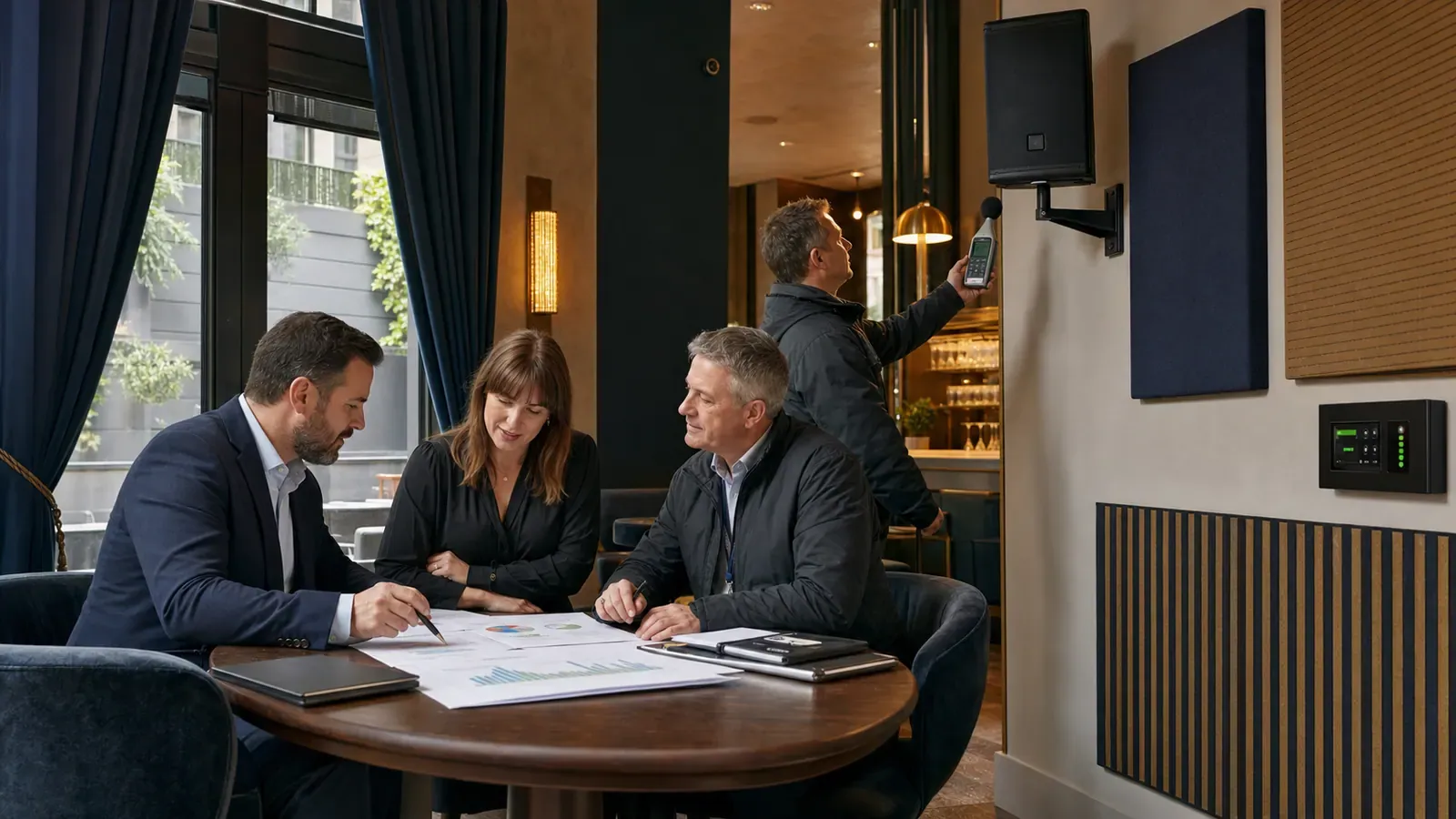
You cannot argue against decibel readings with mere promises. We immediately commissioned independent acoustics experts to generate acoustic reports for licensing application evidence. These reports identified precisely where the sound leakage was occurring—whether it was low-frequency bass travelling through the floorboards or high-frequency chatter escaping through poorly sealed windows.
3. Implementing Physical and Technological Safeguards
Armed with the acoustic report, we oversaw practical changes to the venue. Soundproofing measures were installed, including acoustic plasterboard, heavy acoustic curtains near the entrance, and vibration-isolating mounts for the speakers.
Furthermore, we oversaw the installation and calibration of a noise limiter. A noise limiter (or environmental noise control system) is a device connected to a venue’s sound system. If the music volume exceeds a pre-set decibel threshold agreed upon with environmental health, the limiter cuts the power to the amplifiers. This technology is the gold standard for mitigating noise nuisance complaints for bars and lounges, as it removes human error from volume control.
Creating a Robust Noise Management Plan
Physical upgrades are only half the battle. To satisfy the local authorities, venues must prove they have the operational protocols in place to manage noise long-term. We drafted a bespoke noise management plan for late night venuesspecifically tailored to Duos Lounge.
This document became a cornerstone of our defence and provided clear guidelines on how to comply with licensing conditions for music. The plan included:
-
Door Management: Strict policies for SIA security staff to manage patrons smoking outside, ensuring doors were kept closed to prevent sound escape.
-
Dispersal Policy: A step-by-step guide on how staff would encourage patrons to leave the venue quietly at closing time, including displaying prominent signage asking customers to respect local residents.
-
Deliveries and Waste: Restricting the emptying of glass bottles into outside bins to daytime hours only.
-
Logbook Maintenance: A requirement for the DPS to conduct hourly perimeter noise checks and log the findings during regulated entertainment hours.
Navigating the Licensing Hearing
With the technical improvements completed and a new management plan in place, the next hurdle was the formal hearing. Understanding Waltham Forest Council licensing subcommittee hearing procedures is crucial for anyone operating in this borough. The subcommittee comprises elected councillors who listen to representations from the licensing authority, environmental health, local residents, and the venue operator.
Preparation is everything. We ensured our legal representation was intimately familiar with the Licensing Act 2003 representation guidelines, which dictate that all arguments must remain strictly relevant to the four licensing objectives.
During the hearing, our approach was rooted in the best strategies for negotiating licensing conditions. Rather than fighting the council, we presented a comprehensive package of voluntarily proposed conditions. We showcased the acoustic report, the receipts for the soundproofing, the calibration certificate for the noise limiter, and the updated noise management plan.
By proactively offering to attach these stringent conditions to the premises licence, we demonstrated undeniable licensing compliance. We showed the subcommittee that Waltham Forest licensing objectives were now being actively promoted, rather than undermined.

The Outcome: Keeping the Doors Open
The results of our intervention were highly successful. The licensing subcommittee was satisfied with the robust measures implemented by Complete Licensing and the venue’s management.
Instead of revoking or suspending the licence, the committee agreed to modify the premises licence to include our proposed conditions. This outcome was a masterclass in preventing premises licence revocation due to noise. Duos Lounge retained both its cocktail and shisha offerings, allowing the business to continue trading profitably while legally harmonising with its residential neighbours.
Since the review, Duos Lounge has operated without a single noise complaint, proving that proactive management and professional intervention can permanently resolve even the most contentious licensing disputes.
Actionable Takeaways for Hospitality Operators
If you run a pub, club, cocktail bar, or shisha lounge, you can learn valuable lessons from this case study. Do not wait for an abatement notice to arrive before taking action.
-
Be Proactive: Regularly step outside your venue when the music is at its loudest. If you can clearly hear the bass or the lyrics, so can your neighbours.
-
Invest in Technology: Do not rely on DJs or bar staff to regulate volume. Install a properly calibrated noise limiter.
-
Train Your Staff: A noise management plan is useless if it sits in a drawer. Ensure your security and front-of-house staff actively manage patron noise during dispersal.
-
Seek Expert Help Early: If you receive a warning letter from the council, do not ignore it. Engaging a professional licensing consultant early can prevent a formal review entirely.
Operating a late-night venue in a busy urban environment will always present challenges. However, as demonstrated by this Complete Licensing case study: resolving a premises licence review for noise nuisance at Duos Lounge (Lea Bridge Road, Waltham Forest), a combination of expert guidance, technical solutions, and a willingness to adapt can safeguard your licence and secure the future of your business.
If you are facing noise complaints or a potential licence review, early intervention is your best defence. Protect your livelihood by ensuring total compliance with the Licensing Act today.