Who Can Object to a Premises Licence Application | Complete Licensing

Applying for a premises licence should be an early priority when opening a restaurant, bar, shop or entertainment venue. Alongside investing in the premises and recruiting staff, you’ll need to allow time for the application process before committing to an opening date.
If you submit your application and receive an objection, it can be unsettling and raise a number of questions. Will it delay your opening? Will you have to change your trading hours? Could your application be refused?
Responsible authorities, which can include the police and environmental health, and any other person or business can make representations about a premises licence application. However, any objections must meet the legal requirements to be considered, and receiving one does not automatically mean your application will be refused.
Understanding how the premises licence application process works can help you prepare a stronger application and respond effectively if concerns arise.
This blog covers premises licence applications in England and Wales and will help you to understand what to do if you receive an objection.
Who can object to a premises licence application?
Once you’ve submitted your premises licence application, there are two groups who can make representations: responsible authorities and other persons.
A ‘representation’ is a formal comment submitted to the licensing authority about your application. It can oppose an application, support it or suggest changes.
Responsible authorities
Responsible authorities are public bodies with a statutory role in the licensing process. They include:
● The police
● The fire and rescue authority
● Environmental health
● Trading standards
● The local planning authority
● The relevant public health authority
● The body responsible for protecting children from harm
● The licensing authority itself
Depending on your application, there may also be other bodies involved.
Concerns could relate to issues such as crime prevention, noise, safety or underage sales. An authority may seek particular conditions or changes rather than objecting to your whole proposal.
Residents, businesses and others
Individuals, businesses and organisations can also make representations. This can include residents, residents’ associations, community groups and other licensed operators.
These representations do not have to come solely from people who live or work within a particular distance of the premises. However, the representation must still relate to the licensing objectives. Living further away from your premises does not automatically disqualify someone, just as living next door does not automatically make every concern relevant.
What makes an objection relevant?
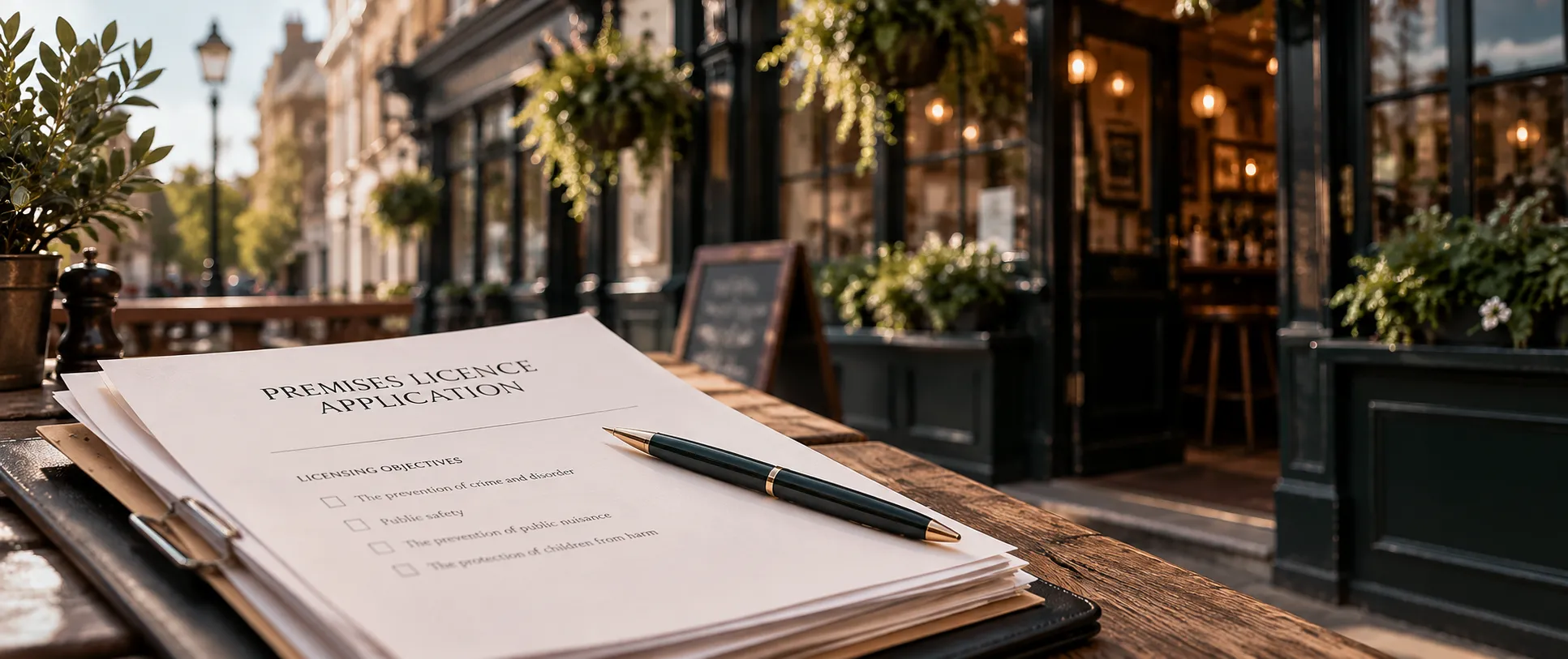
An objection must relate to the likely effect of granting the application on at least one of the four licensing objectives:
● The prevention of crime and disorder
● Public safety
● The prevention of public nuisance
● The protection of children from harm
These objectives provide the framework for deciding which concerns will be considered in relation to your application. Representations from people other than responsible authorities must also not be frivolous or vexatious. The licensing authority decides whether they meet those requirements.
Can another business object because it does not want competition?
A competing local pub, restaurant or shop can make a representation, but losing customers to a new business is not, by itself, a relevant licensing objection. Its concerns must relate directly to the likely effect of your application on one or more licensing objectives.
A competitor could raise a relevant concern about noise or disorder associated with the proposed operation but the licensing authority must assess the substance of the concern in relation to your application.
If you believe an objection from a nearby business or competitor is commercially motivated, focus your response on explaining why its arguments are unsupported or unrelated to the licensing objectives but avoid making assumptions about the motivation behind the objection.
Does an objector need evidence of previous problems?
An objector to your application does not need to show that problems have already occurred at your premises. Representations can relate to concerns around the likely future impact of granting your licence, as long as they relate to one or more licensing objectives.
A new business may have no trading history, so the absence of previous complaints or incidents does not automatically make an objection irrelevant.
For example, a local resident may be concerned about proposed late night music because of the position of their home in relation to the premises.
As an applicant, you can respond to the concerns raised. Explain your proposed sound controls, the layout or the intended use of the space, rather than relying only on the fact that no complaints have yet occurred.
How long do people have to object?
For a new premises licence application, the representation period is 28 consecutive days, beginning on the day after a valid application is submitted. This is a calendar-day period, not working days so always check the published closing date with the licensing authority.
Full variation applications also have a 28-day representation period but different procedures apply to minor variations, so do not assume that all licensing applications follow the same timetable.
When planning for your premises opening, allow time to prepare your application, as well as time for the consultation period and any subsequent hearing. The end of the consultation period is not a guaranteed opening date.
What happens after an objection is received?
Once an objection has been received in relation to your premises licence application, the next steps will depend on whether the representation is relevant to your case and whether the concerns can be resolved.
Step 1: The licensing authority assesses the representation
The authority considers whether the objection meets the applicable requirements. Relevant representations must be addressed throughout the licensing process.
Step 2: The parties may discuss a resolution
There may be scope for you to clarify your proposal, provide further information or agree suitable changes in relation to any concerns raised.
For example, a resident may believe an application permits outdoor entertainment when your proposal only includes indoor activities. Alternatively, discussions might identify a practical change to the way an outside area will operate.
Step 3: A hearing may be required
Where relevant representations remain, a hearing will usually take place unless the authority, applicant and those making representations agree that it is unnecessary. Discussions and mediation can help to reach this position.
However, remember that making an agreement with one objector does not necessarily resolve your application if other relevant representations remain outstanding.
What happens at a premises licence hearing?
A contested premises licence application is usually considered by a licensing sub-committee. The applicant and those who made relevant representations have an opportunity to explain their positions and answer questions.
The council’s hearing notice will set out the procedure and any required responses. Follow the instructions carefully, including deadlines for submitting documents.
Preparation should focus on making your proposal easy to understand. Useful material may include:
● A concise description of the business and intended customers
● A clear premises plan
● A response to each outstanding concern
● Relevant management procedures
● Specialist evidence where an issue requires it
● A clear record of any agreed changes
Should you agree to conditions to resolve an objection?
Conditions can help to address concerns around your premises and proposed activities but consider their wording and operational impact before making changes.
A condition could affect staffing, security costs, use of outdoor space, entertainment or the hours during which particular activities can take place. Once attached to the licence, it becomes an obligation your business must observe.
Before accepting a condition, ask:
● Does it address the specific concern?
● Is it clear enough for staff to understand?
● Can we comply with it during every relevant shift?
● Will it restrict an important part of the business?
● Is there a more practical way to achieve the same outcome?
For example, consider a proposed requirement for security staff during all opening hours. Think about how that would operate and what the costs would be during quiet weekday lunches as well as busy weekend evenings. Your response should explain the actual operating pattern and the measures appropriate to it.
Does an objection mean my licence application will be refused?
An objection does not automatically mean your application will be refused. Following a hearing, the authority may grant the application, grant it with modified conditions, exclude particular licensable activities or refuse it. There is also provision to refuse the proposed designated premises supervisor in the relevant circumstances.
The decision must always be appropriate for promoting the licensing objectives. If a valid application receives no relevant representations, the authority must grant it subject to conditions consistent with the operating schedule, together with any applicable to mandatory conditions.
The important point for applicants is that an objection creates issues to address; it does not determine the outcome in advance.
Get help with a premises licence objection
Whether you are preparing a new premises licence application or have already received objections, a clear understanding of the concerns raised can help you take the next best course of action.
Complete Licensing can support you with responding to representations, considering proposed conditions and preparing for local authority licensing hearings. We explain the practical consequences of the options available so you can make informed decisions about your business.