Legal Age to Serve Alcohol in UK
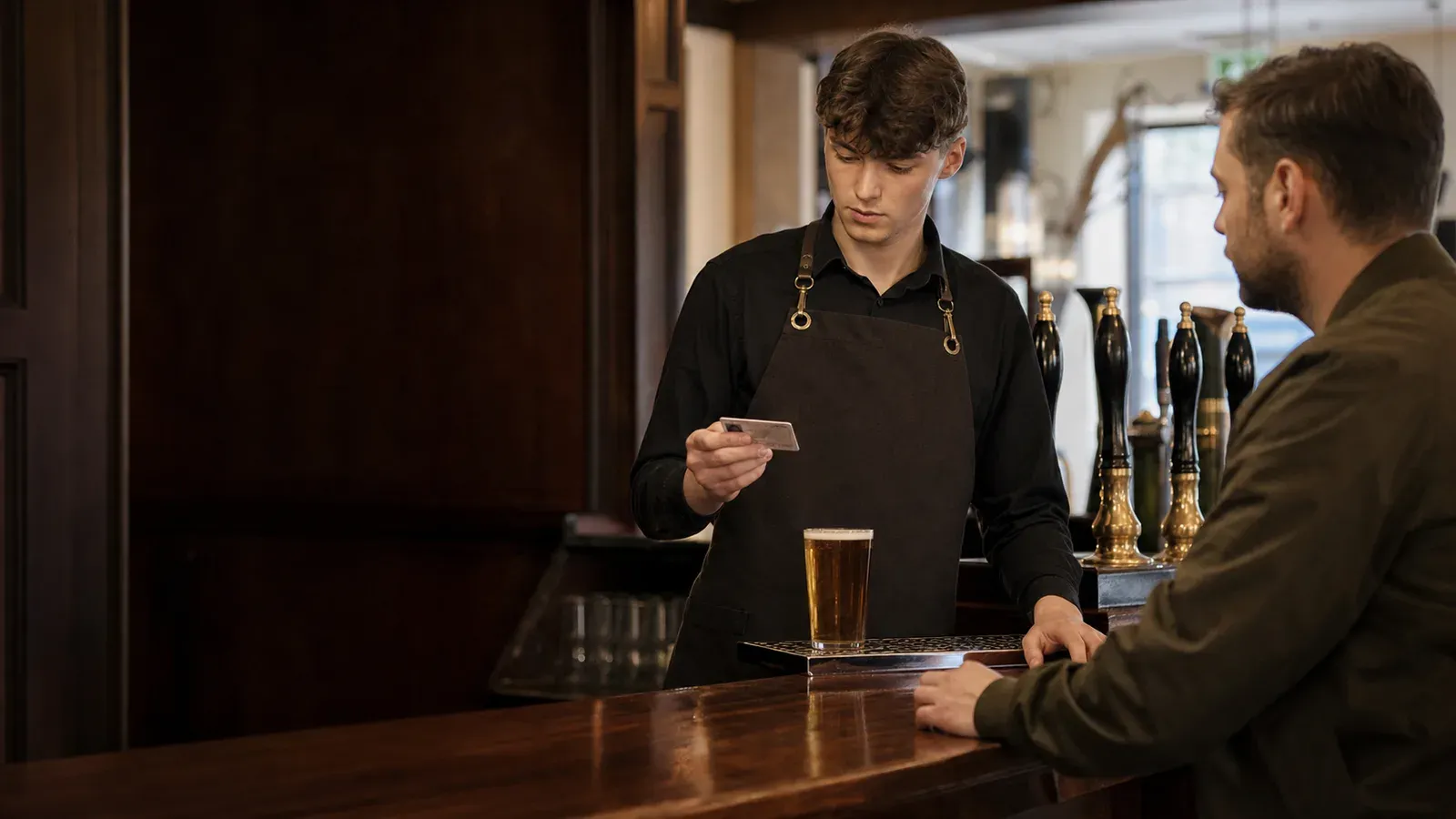
The hospitality industry is one of the most dynamic sectors in Britain, offering fantastic career opportunities and flexible part-time roles. Whether you are an eager teenager looking for your first job or a pub manager aiming to expand your team, understanding the legal working age uk guidelines is absolutely vital.
One of the most frequently asked questions in the industry is regarding the minimum age to work behind a bar uk. The rules can occasionally seem like a maze of legislation, but getting them right is crucial for the safety of young workers and the protection of your premises licence. Let’s break down exactly what the law says, what young staff can and cannot do, and how to stay fully compliant.
The Golden Rule: Minimum Age to Work Behind a Bar UK
To get straight to the point, the absolute minimum bar age for selling alcohol unsupervised in the UK is 18. An individual must be a legal adult to authorise the sale of alcoholic beverages on their own.
However, the Licensing Act 2003 alcohol service regulations do provide a legal pathway for younger staff members to be involved in alcohol service. 16- and 17-year-olds are permitted to serve alcohol, provided that every single sale is specifically approved by a responsible adult.
So, is it legal for 17 year olds to pull pints? Yes, absolutely. A 16 or 17-year-old can pour pints and hand over drinks, but only under strict supervised alcohol sales for under 18s. The person supervising the sale must be over 18, and it is highly recommended that they hold a personal licence or are explicitly authorised by the Designated Premises Supervisor (DPS).
Actionable Tip for Managers:
- Active Approval: The approval cannot be a general “you can serve alcohol for your whole shift.” The supervisor must be present and approve each specific transaction before the young person hands the drink to the customer.
Restaurant vs Pub Environments
The environment in which the alcohol is served can slightly alter the daily workflow of a young employee. The selling alcohol in restaurants vs bars laws operate on the same fundamental Licensing Act principles, but in practice, they often look quite different.
When comparing bar work vs waiting tables age restrictions, waiting tables is generally much more accessible and flexible for younger teens. In a restaurant, a 16-year-old might take a table’s order, including a bottle of wine, and bring it to the table. As long as the manager on duty approves that specific order before it leaves the pass or the bar, the young waiter is perfectly within the law. Because the primary focus of a restaurant is food service, managing these approvals is often less frantic than in a busy vertical-drinking pub.
What Other Roles Can Under-18s Do in a Pub?
If constantly supervising a 16-year-old at the tills sounds too operationally difficult for a busy Friday night, there are plenty of other valuable roles young people can legally fill.
- Can a 16 year old work in a pub kitchen? Yes. 16-year-olds can legally work in a pub kitchen preparing food, washing dishes, and plating meals. It is a fantastic way to gain culinary experience without worrying about licensing laws.
- Collecting glasses under 18 years old: This is completely legal and a standard entry-level role. A 16 or 17-year-old can freely work on the pub floor, clearing tables, wiping down surfaces, and collecting empty glasses.
- Cellar Work: Managers must be mindful of the age limit for cellar work in UK pubs. Due to health and safety concerns (such as heavy lifting and pressurised gas canisters), alongside the unmonitored access to alcohol, under-18s are strongly discouraged and often restricted by company policy from changing kegs or working unsupervised in pub cellars.
Navigating the Legalities: Management & Supervision
For pub landlords and managers, employing under-18s requires a proactive approach to compliance.
First, let’s look at the duties of a personal licence holder supervising minors. The personal licence holder or DPS must ensure that all staff understand the legal restrictions for under 18s handling alcohol. They must brief the wider management team to ensure that if the primary supervisor steps off the floor, another adult takes over the direct approval of the young person’s sales.
Furthermore, before hiring anyone under the age of 18 (particularly those still of compulsory school age), you must consult the employment of children bylaws for local councils. Local authorities frequently dictate maximum working hours, mandatory rest breaks, and latest finish times (often 7 PM or 8 PM for under-16s) which supersede general national guidelines.
Training and Compliance for Young Staff
Employing young people is a great way to build a loyal team, but it comes with rigorous compliance checks.
- Age Verification: Knowing how to verify staff age for alcohol sales is your very first operational step. Always request an official, original ID—such as a passport, biometric residence permit, or a PASS-accredited proof of age card—before onboarding young staff to ensure you know exactly what legal brackets they fall into.
- Challenge 25: Just because a staff member is under 18 doesn’t exempt them from enforcing your age verification policies. You must integrate Challenge 25 staff training requirements into their induction. Young staff must be fully trained and confident enough to ask customers who look under 25 for ID, passing the final approval of that ID check to their adult supervisor.
- Understand the Risks: The consequences of getting this wrong are severe. The licensing authority penalties for underage alcohol service—either selling to a minor, or an unsupervised minor illegally selling alcohol—can result in unlimited fines, immediate closure notices, and the permanent revocation of the venue’s premises licence.
Wages and Apprenticeships
Finally, from an employment perspective, hiring teenagers can be highly cost-effective while providing them with a brilliant stepping stone into a hospitality career. Many pubs utilise the UK hospitality apprenticeship wage for teenagers. This allows you to employ a young person legally, provide them with structured, recognised training (such as a Level 2 Hospitality Team Member apprenticeship), and pay them the government-approved apprenticeship rate.
Key Takeaway
To summarise the minimum age to work behind a bar uk: while you must be 18 to sell alcohol unsupervised, 16- and 17-year-olds can absolutely work behind a bar and serve drinks, provided every single sale is explicitly approved by a responsible adult. By adhering strictly to supervision laws, respecting local council bylaws, and providing robust training, pubs and restaurants can safely and legally integrate enthusiastic young workers into their front-of-house teams.